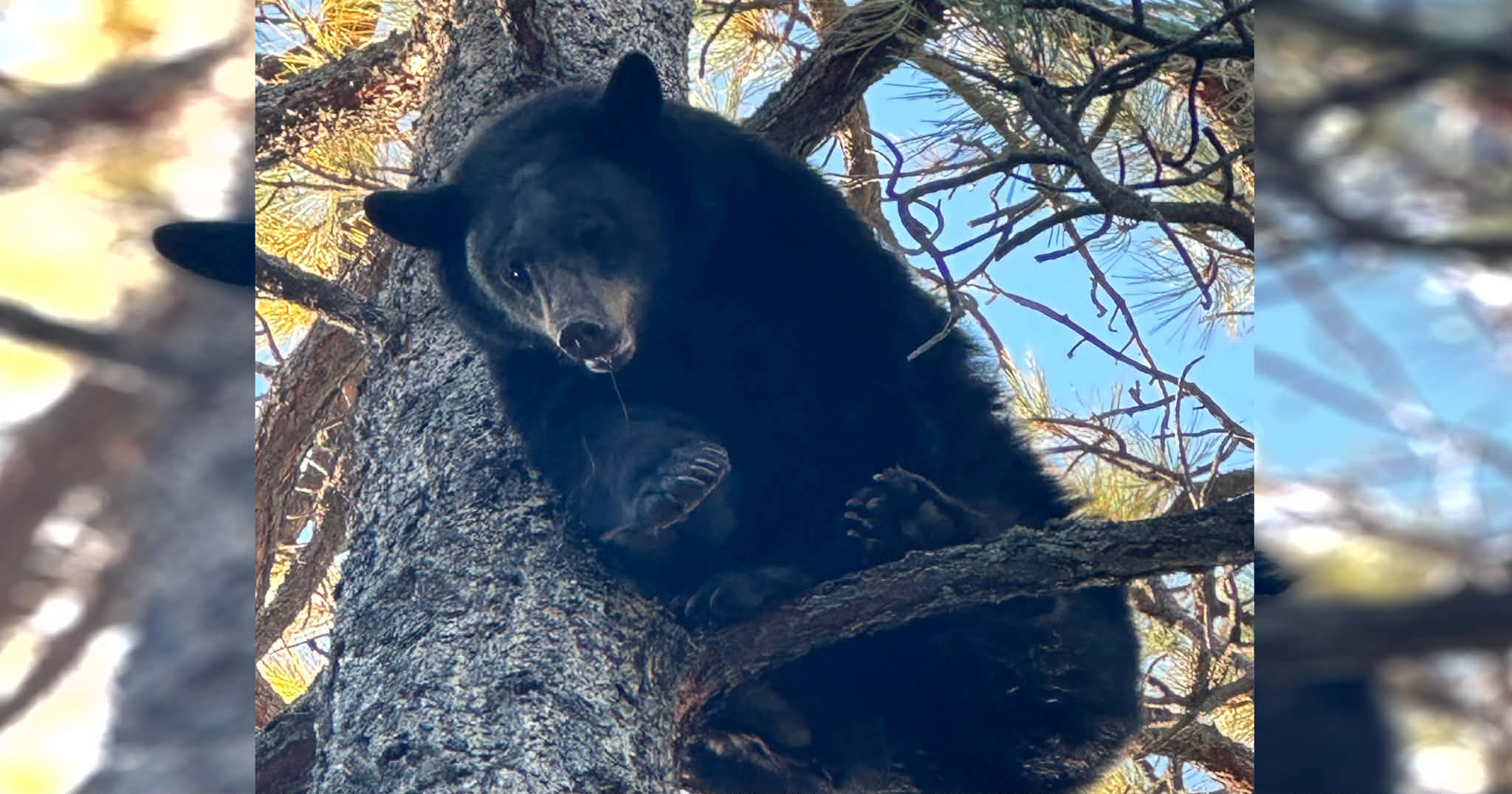
ARIZONA — A bill moving through the Arizona Legislature that could expand the state’s legal definition of “predatory animals” to include bears and mountain lions is drawing attention from hunters, wildlife advocates, and rural residents across the state.
HB2158 – Predatory Animals; Definition, sponsored by Lupe Diaz (R-LD19), proposes expanding the statutory definition of predatory animals in Arizona law. The measure passed the Arizona House on Feb. 24 and now moves to the Arizona State Senate for consideration. The bill is being heard by the Senate Natural Resources Committee on March 10.
The bill would amend the existing definition found in Arizona Revised Statutes §17-101.
Currently, Arizona law defines predatory animals as foxes, skunks, coyotes, and bobcats. HB2158 would expand that definition to include bears and cougars, also known as mountain lions.
The proposed change has sparked debate because bears and mountain lions are currently managed as big-game animals in Arizona. That classification means the species are regulated through controlled hunting seasons, tag requirements, and harvest limits set by the Arizona Game and Fish Department and the Arizona Game and Fish Commission.
Under the North American Model of Wildlife Conservation, regulated hunting plays a significant role in managing large wildlife species. Wildlife biologists monitor population trends, habitat conditions, and harvest data before recommending hunting quotas and season structures designed to maintain sustainable populations.
Supporters of that system say it has helped maintain stable bear and mountain lion populations while also funding wildlife conservation programs across the state. License fees and hunting tags generate revenue used for habitat restoration, wildlife research, and conservation initiatives.
Hunters say placing bears and mountain lions on the predatory animals list risks blurring the distinction between large regulated game animals and smaller nuisance predators.
Chris Watson of the Arizona Working Dog Alliance said the change could create confusion about the purpose of big-game management in Arizona.
“Placing Arizona’s bears and mountain lions in the same category as skunks and other small predators is irresponsible and creates unnecessary confusion about the purpose of big-game management,” Watson said.
Ed Sanchez, who serves as a Legislative Liaison and within Government Affairs for the Arizona Game and Fish Department, pointed out that wolves were originally included in the bill when it was first introduced. Lawmakers later amended the bill, removing wolves before it advanced to the House floor.
Ed Sanchez speaks about HB2158 at the Arizona Capitol during the “Camo at the Capitol” event.
Sanchez expressed concern about the bill, stating that it needs to be killed because it could affect how Game and Fish manages wildlife.
“There are out-of-state groups that want to do initiatives against things like mountain lions; this is something that is concerning to the department and the community,” said Sanchez.
Hunters at the event said redefining bears and mountain lions as predatory animals could have broader implications in the future because statutory definitions can shape how wildlife laws are interpreted. While HB2158 does not directly change hunting seasons or eliminate tag requirements, critics say the language could influence future wildlife policy discussions or be used in legislative or ballot-driven efforts affecting hunting.
“I am concerned that adding bears and mountain lions to this predatory list, rather than keeping them listed strictly as big-game species, could open the back door for the Center for Biological Diversity and other anti-hunting organizations to create biased rhetoric that could influence the public and raise funds to combat the results of HB2158 if it passes,” Watson said.
Under existing rules, bears or mountain lions involved in livestock depredation may be killed without a hunting tag if they are actively attacking livestock, provided the incident is reported afterward.
“There are already procedures in place for depredation of lions, bears, and wolves if and when they are involved in livestock or wildlife/livestock conflicts,” Watson said.
Those provisions are designed to allow ranchers to protect livestock while still allowing wildlife agencies to manage predator populations through regulated hunting seasons and scientific monitoring.
Wildlife advocates and hunters also say the bill could blur the long-standing distinction between large, regulated wildlife and smaller nuisance predators.
Animals such as foxes, skunks, and coyotes are commonly classified as nuisance or predator-control species in many wildlife laws. Those animals are often subject to more flexible control measures when they threaten livestock or property.
“Big-game hunting is designed to manage large wildlife species responsibly through regulated seasons and tags, not to treat them the same as nuisance predators,” Watson continued.
Some opponents of the bill also worry the expanded definition could unintentionally broaden predator-control authority. In many Western states, laws referring to “predatory animals” can allow more flexible removal of those species when they threaten livestock or property. In certain circumstances, those laws can allow lethal removal without a hunting tag, year-round killing, or government predator-control programs.
Wildlife advocates also say they are concerned that redefining bears and mountain lions in statute could indirectly weaken existing protections or alter how the animals are viewed in wildlife policy discussions.
Ecologists also point out that large predators such as bears and mountain lions play an important ecological role. By regulating deer and other prey populations, large carnivores can influence vegetation patterns and help maintain balance within ecosystems across large landscapes.
The bill has also drawn attention from members of the hunting community on Facebook who are urging sportsmen to closely watch the proposal as it moves through the Legislature.
Some hunters on Facebook say the discussion is not about whether bears or mountain lions should be hunted, noting that regulated hunting has been used to responsibly manage those species for decades.
Instead, they say the debate centers on who should be making wildlife management decisions.
In Arizona, that responsibility traditionally rests with the Arizona Game and Fish Department and the Arizona Game and Fish Commission, which use population data, field research, and ecological studies to guide management decisions.
Some hunters worry that when legislatures begin redefining wildlife species in statute, it can shift wildlife management away from science-based decision-making and toward political processes.
They say that once wildlife classifications become political issues, debates can expand beyond individual species and affect hunting methods, predator management policies, and other aspects of wildlife regulation.
HB2158 has moved through several steps in the Arizona House during the 2026 legislative session.
The Arizona House Land, Agriculture, and Rural Affairs Committee approved the bill on Feb. 9, 2026, on a 5–3 vote.
The measure later advanced through the House Committee of the Whole with a recommendation of “Do Pass Amended.”
On Feb. 24, 2026, the House approved the bill on Third Reading by a vote of 31–25–4, sending the legislation to the Senate.
“I also fear this could lead to a future ballot initiative attempting to end the harvesting of bears and mountain lions altogether. Without the management of these species by Arizona sportsmen, we could find ourselves in the same position California is in before we know it,” Watson said.
For many Arizonans, the debate surrounding HB2158 reflects a broader conversation taking place across the American West about how to balance predator management, wildlife conservation, hunting traditions, and the traditional way Arizonans have hunted big game for generations.