
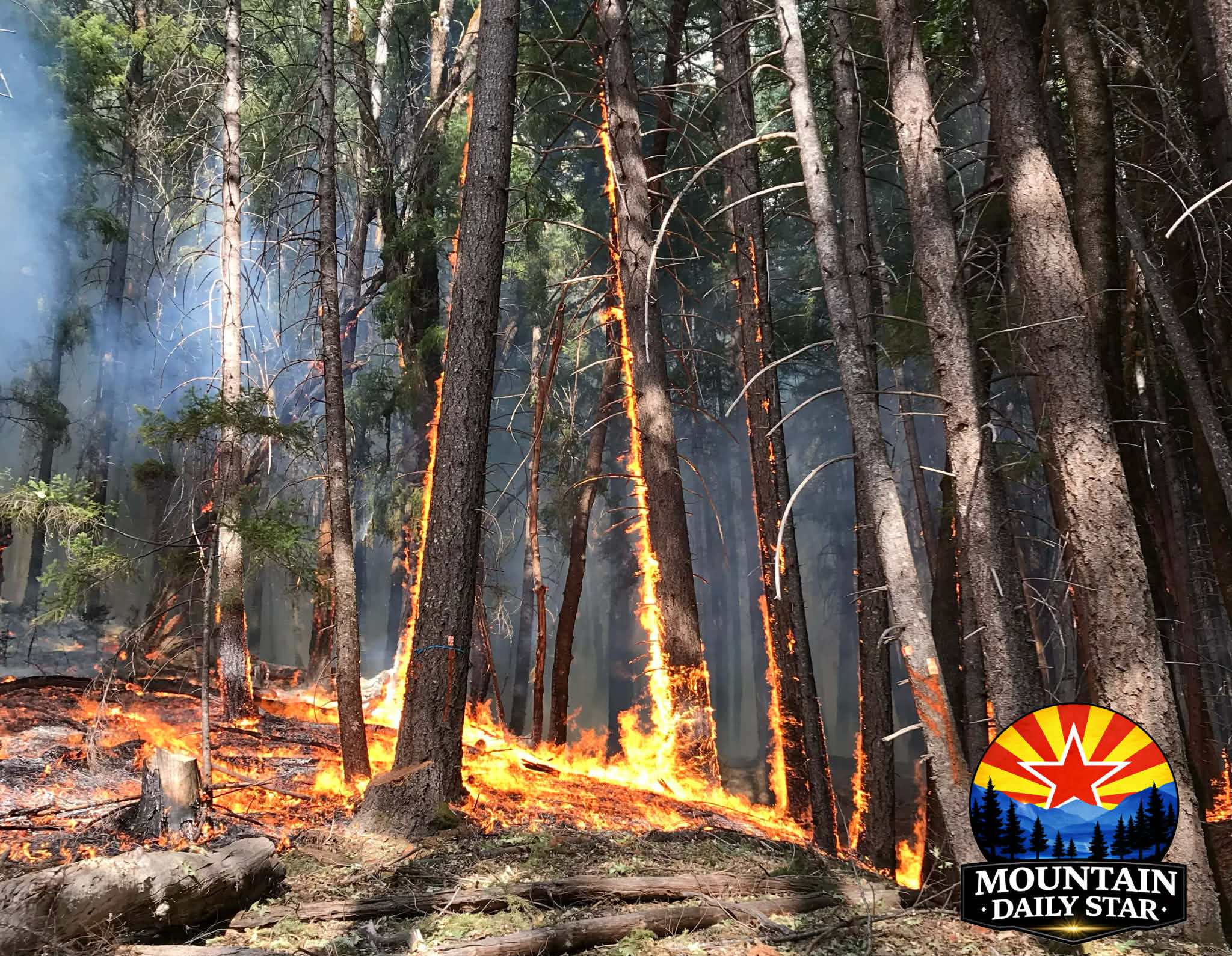
Changes to U.S. Forest Service VIPR contracts are expanding the use of chainsaws on privately contracted wildfire engines, a shift that may help address longstanding dispatch disparities and give private contractors a more competitive footing in wildfire response.
The change appears between the 2025 and the newly solicited 2026 U.S. Forest Service VIPR water-handling agreements, which govern privately owned engines used to support wildfire suppression nationwide.
Private contractors remain a critical part of the nationwide response, often working in fast-moving, hazardous conditions alongside federal, state, co-operators (fire departments) and local resources.
What distinguishes the private wildland sector from co-operators, such as fire departments, is that private contractors do not have a taxpayer-funded base guaranteeing coverage within a specific jurisdiction. Rather, private contractors lack jurisdiction responsibility and rely on assignments through dispatch systems, where they often compete directly with co-operators (fire departments) for work.
In many cases, co-operators (fire departments) are mobilized outside their tax base for extended periods, at times ahead of private contractors operating across the country, who pay taxes and contribute to the regional economy.
Contractors say the 2025 chainsaw language became one of several factors contributing to those disparities. They argue that the restriction limited their operational capability, which may have influenced dispatch decisions and led to private resources being passed over for assignments. As a result, some businesses were left in limbo and faced financial strain, lacking the steady, tax-supported funding stream available to co-operators (fire departments).
“The 2025 changes to our agreements regarding chainsaw usage very nearly put us out of business. One of my firefighters, who worked 121 days in 2024, was on an engine last year that only had 12 days, which was more than many contract firefighters had,” said Derrick P. Holdstock, owner of Western Fire Resources.
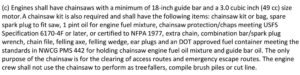
Under the 2025 water-handling agreement, chainsaw use by private contractor engine crews was narrowly restricted. The contract stated that “the only purpose of the chainsaw is for the clearing of access routes and emergency escape routes,” limiting crews to a defined support role.
However, the co-operators (fire department) could use chainsaws with few restrictions. This led to uneven and biased resource orders that favored the co-operator (fire department).
The change in the VIPR agreement should address at least one of the many failures in the system.
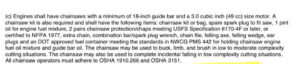
Under the newly solicited 2026 agreement, that restriction was removed. In Section D.2.1.2(c), the language now allows chainsaws to be used for “bucking, limbing, and brushing in low to moderate complexity cutting situations,” and for “incidental falling in low complexity cutting situations.” The section also requires compliance with OSHA standards for chainsaw operations.
The update represents a practical shift for contractors. By allowing bucking, limbing, brushing, and limited incidental falling, the 2026 agreement reflects the real-world conditions private engine crews face, where downed timber, hazards, and access issues often require immediate action, including mitigating trees that threaten the fireline.
“Efforts by the U.S. Forest Service to recognize this and make positive changes for the 2026 season may have saved dozens of small businesses, including mine,” Holdstock said. “It may also help ensure the continued availability of hundreds of engines for what is expected to be a very challenging 2026 fire season. It would be impossible to overstate how much I appreciate this decision by Chief Schultz and his staff.”
Chainsaw operations remain governed by federal safety standards, including OSHA requirements and National Wildfire Coordinating Group (NWCG) guidelines. Contractors are expected to meet those standards, and many bring extensive experience and qualifications to wildfire incidents.
As wildfire seasons continue to intensify across the West, private wildland contractors remain essential to the response, and updates to VIPR agreements signal an ongoing effort to better align policy with operational needs on the fireline.