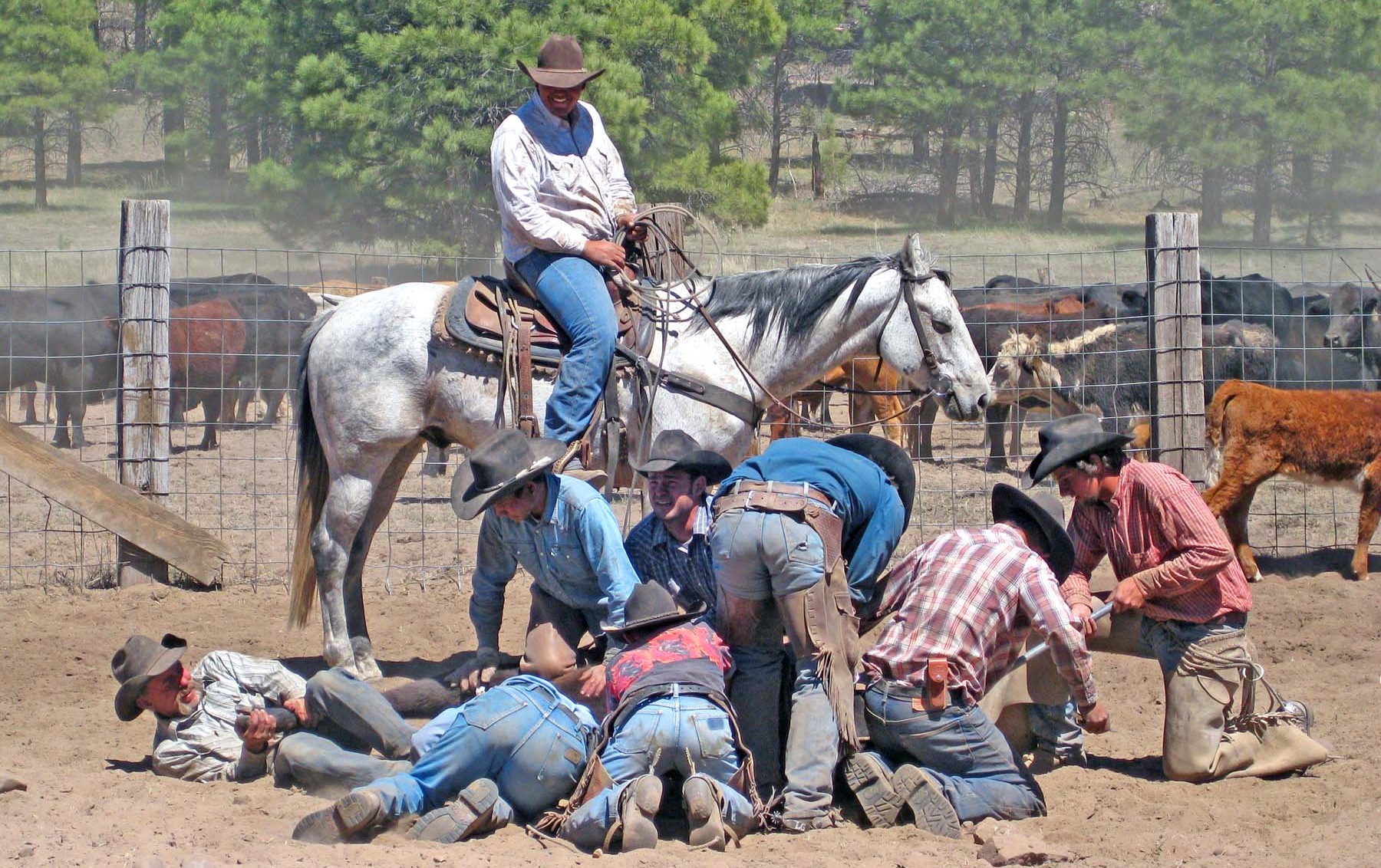
Saturday, July 25, 2026, is National Day of the Cowboy. Many local communities will commemorate and celebrate the pioneer spirit and the cowboy way of life.
Snowflake and Taylor will host a variety of events throughout the weekend. The Snowflake rodeo, held at the Taylor Rodeo Grounds, features everything from mutton busting to team roping, barrel racing, bull riding, the wild cow milking race, bronc riding, and more.
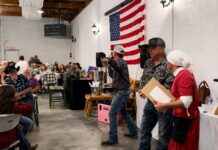
Kelsee Bradshaw, spokesperson for National Day of the Cowboy, speaks at the Snowflake rodeo on July 24, 2026.
The Western states, including Arizona, were settled by pioneers and cowboys who came west for the region’s vast natural resources. We celebrate our heritage and the hard work these pioneers endured to lay the foundations for the homes and communities we live in today. Arizona has long acknowledged the significance of the state’s natural resources through the “Five C’s,” a slogan that first appeared in the May 1939 edition of Arizona Highways magazine. They are Copper, Cattle, Cotton, Citrus, and Climate.
In Navajo and Apache counties, cattle and climate have been the basis of our economy, heritage, and culture for generations. Rodeos first began in the late 1800s as a way for cowboys to work together while branding cattle on the open range. Over the years, rodeos transformed from practical tools for handling livestock into a multi-million-dollar form of recreation while preserving the traditions and skills of the working cowboy.
The cowboy life has been presented to the public through books, stories, and movies for more than a century. Tom Mix starred in Pride of the Range in 1910. Hoot Gibson began his movie career as one of the first stuntmen in that production. The two cowboys would go on to become recognized as two of the nation’s most popular matinee heroes during the 1920s.
Charles Marion Russell documented the cowboys of the Wild West through paintings that still decorate our walls today. Tim Cox and other artists have captured the breathtaking landscapes and the interactions of cowboys with their cattle, horses, and dogs. One of the greatest reasons to be a cowboy is the opportunity to work outdoors in the natural environment.
That environment presents unique challenges every day due to inclement weather, dangerous conditions, ornery animals, and the wide variety of jobs a cowboy must perform. There are always fences to mend and build, equipment to maintain and repair, ice to chop in the winter, and water to haul in the summer. Modern cowboys must also deal with public relations and criticism from people who often have little connection to the production of their food.
Many young men and women have been influenced by stories about cowboys written in novels and portrayed in movies such as Lonesome Dove. Louis L’Amour, Zane Grey, and Larry McMurtry each attempted to capture both the reality and the romance of the cowboy life. John Wayne’s portrayal of cowboy characters on the silver screen illustrated the Cowboy Code. Boys were taught to become men whose word was their bond. Doing your share of the work, respecting private property, and remaining loyal were necessary when you “Ride for the Brand.” Do what has to be done, step up when help is needed, and always show hospitality to your neighbors.
The cowboy’s influence on the clothing we wear is evident in everyday life. Everything from cowboy boots to pearl snap shirts, blue jeans, bandanas, and hats originated with the working cowboy. The word “cowboy” is used both to describe an individual performing the work and as a verb or expression. Examples include “Cowboy Up” and living the cowboy lifestyle. While the word “cowboy” has occasionally been used in a derogatory manner, despite a few horse apples thrown their way, it remains a compliment to be called a cowboy.
The cowboy’s influence is also heard in the music Americans have enjoyed for generations. What began as an isolated laborer’s attempt to communicate through poems and verses about a lonely and often dangerous occupation, while passing the time on long cattle drives, became part of the foundation of the country music industry. Ballads such as Home on the Range and Tumbling Tumbleweeds were followed by Ghost Riders in the Sky and Desperado. As time passed, cowboy songs evolved to include Glen Campbell’s rendition of Rhinestone Cowboy and Toby Keith’s famous Should’ve Been a Cowboy.
Navajo County resident Ashley Westcott is an up-and-coming local artist who writes and performs cowboy songs, including a ballad about her hometown of Taylor, Arizona, and Palomino Sky, inspired by the tragic loss of a young local cowgirl. Miss you, Holly….
The primary reason the cowboy way of life exists is to provide affordable, nutritious beef to feed people. Without cattle, there is no cowboy. Cowboys require horses—they are their greatest partners and most valuable tools for successfully completing their work. The modern job description could simply read: “I help solar power (sunlight) convert plant material into nutritious protein (cattle) to help provide food security for America.”
This weekend, as we celebrate our cowboy spirit, we hope you will take a moment to thank the cowboys and cowgirls for their contributions to Arizona and America.
As Robert Duvall said while portraying Gus McCrae in Lonesome Dove, “It ain’t dying I’m talking about, it’s living. I doubt it matters where you die, but it matters where you live.”
Long live the Cowboy!